
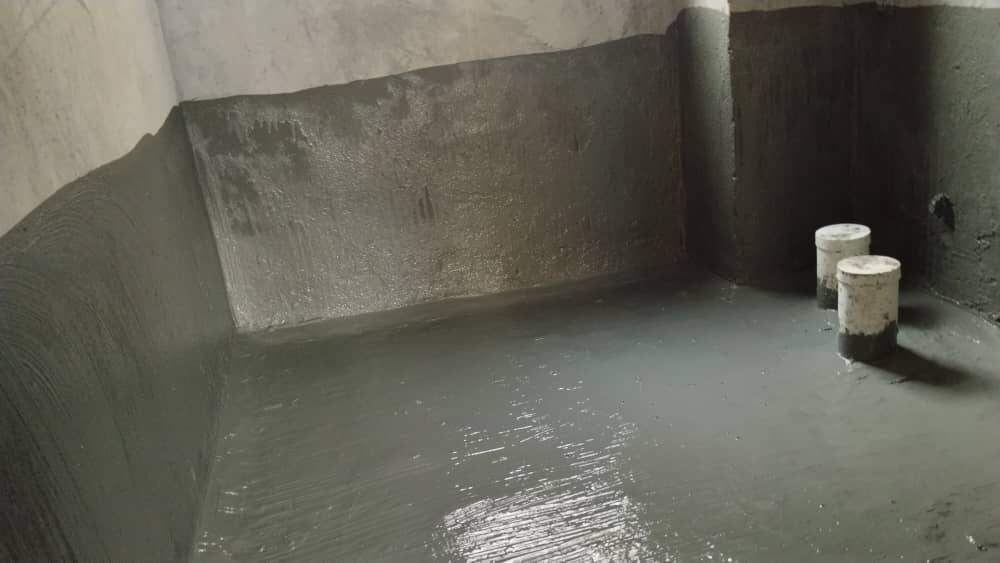
Project Overview
Bathroom waterproofing is one of the most important stages in any new residential construction. In a new built bungalow, waterproofing must be done correctly before finishes are completed, because hidden failures in wet areas can later lead to water seepage, ceiling damage, tile-related problems, and costly rectification works.
For this project in Bandar Sungai Long, Kajang, Selangor, ARCHTECH carried out bathroom waterproofing works for a new built bungalow using a 2-layer cementitious membrane system. The objective was to create a reliable waterproofing barrier within the wet area before final finishes, helping reduce the risk of future leakage and moisture-related damage.
This project shows why proper bathroom waterproofing in a new build is not just a routine step, but a critical part of long-term building protection.
Project Summary
Project Type: Bathroom waterproofing in a new built bungalow
Location: Bandar Sungai Long, Kajang, Selangor
Property Size Reference: 2,607 sq ft bungalow
Waterproofing System: 2-layer Cementitious Membrane
Application By: ARCHTECH Waterproofing Specialist
Why Bathroom Waterproofing Is Critical in a New Built Bungalow
among the highest-risk areas for hidden water damage if the waterproofing system is not applied correctly from the start.
Bathrooms are exposed to:
- daily water splash and wet conditions
- moisture build-up over time
- joints and corners that are vulnerable to seepage
- movement at substrate and transition areas
- long-term risk of leakage to adjacent spaces or floors below
If bathroom waterproofing is skipped, poorly applied, or damaged during later works, the problem may only become visible after handover, when repairs are more disruptive and expensive.
For new built bungalows, getting the wet area waterproofing right early helps protect the property before problems begin.
Why a Cementitious Membrane Was Used for This Bathroom Waterproofing Project
For this bungalow project, ARCHTECH used a 2-layer cementitious membrane system for the bathroom area.
Cementitious waterproofing is commonly used in internal wet areas such as bathrooms because it is suitable for cement-based substrates and can form a protective waterproofing layer beneath tile finishes when installed correctly.
Why cementitious membrane is suitable for bathroom waterproofing
- suitable for internal wet areas such as bathrooms and toilets
- compatible with cementitious substrates commonly found in new construction
- helps protect slabs and screeded surfaces from water penetration
- can be applied before tile installation as part of the wet area build-up
- supports long-term waterproofing performance when combined with proper detailing and workmanship
For a new build bathroom, the waterproofing layer must be integrated into the construction process properly, not treated as an afterthought.
Waterproofing Considerations in a New Build Bathroom
In new construction, bathroom waterproofing is not only about applying a waterproofing product. It also involves ensuring the wet area is properly prepared and detailed before finishes are installed.
Important waterproofing considerations typically include:
1. Substrate Condition
The surface must be clean, sound, and ready to receive the waterproofing layer. Weak or contaminated surfaces can affect membrane bonding.
2. Wet Area Detailing
Corners, wall-floor junctions, pipe penetrations, and other transition areas are critical points where water seepage often starts if not properly treated.
3. Layer Consistency
The waterproofing system should be applied evenly and in accordance with the required layer build-up. Uneven or rushed application can weaken the system.
4. Protection Before Finishes
Once waterproofing is completed, the membrane must be protected during subsequent works to avoid damage before tiling or final finishes.
These are some of the reasons why workmanship quality is especially important in bathroom waterproofing.

How the Bathroom Waterproofing Was Carried Out
All works were carried out by ARCHTECH’s trained in-house waterproofing specialists using a structured application approach.
Step 1: Surface Preparation
The bathroom substrate was prepared before waterproofing application. This stage is important because proper adhesion begins with a clean and suitable surface.
Step 2: First Layer of Cementitious Waterproofing
The first coat of cementitious membrane was applied to establish the initial waterproofing layer across the bathroom wet area.
Step 3: Second Layer of Cementitious Waterproofing
A second layer was then applied to strengthen coverage and build up the waterproofing protection required for the bathroom environment.
A 2-layer system helps improve consistency and overall waterproofing integrity when carried out properly as part of the wet area construction sequence.
Step 4: Detailing at Vulnerable Areas
Attention was given to critical areas such as edges, junctions, and transition points, as these are often the most vulnerable locations for future leakage if not treated properly.
Why Proper Bathroom Waterproofing Workmanship Matters
failures happen because the waterproofing was not installed correctly, was applied too thinly, was not detailed well, or was later damaged during follow-up works.
Common causes of bathroom waterproofing failure include:
- poor substrate preparation
- incomplete membrane coverage
- weak treatment at corners and joints
- damage to the waterproofing layer before tiling
- poor coordination between waterproofing and later trades
That is why bathroom waterproofing should be carried out carefully and systematically, especially in a new built bungalow where the goal is to prevent problems before the property is occupied.
For this project, the bathroom waterproofing works were completed by ARCHTECH’s in-house specialists as part of a controlled application process for wet area protection.
Why New Build Bathroom Waterproofing Should Never Be Overlooked
In residential construction, many waterproofing problems only become visible after the house is completed and in use. By that time, rectification can involve hacking tiles, removing finishes, and disrupting completed spaces.
For that reason, waterproofing a bathroom correctly during the new build stage offers several long-term advantages:
- helps reduce the risk of leakage after handover
- protects the structure and surrounding finishes from water seepage
- reduces the likelihood of future hacking and repair costs
- supports better long-term durability of the wet area
- improves confidence in the overall construction quality
In short, prevention is always better than rectification when it comes to bathroom waterproofing.
Key Takeaways From This Bathroom Waterproofing Project
This new built bungalow project in Bandar Sungai Long, Kajang highlights several important points.
Bathroom waterproofing is essential even in a new house
A new property is not automatically protected from future wet area problems. Waterproofing must still be done properly.
Cementitious membrane is a common system for internal wet areas
When selected appropriately and applied correctly, cementitious waterproofing can provide an effective protective layer beneath bathroom finishes.
A 2-layer application helps strengthen protection
Multiple layers support better coverage and more consistent waterproofing performance across the bathroom area.
Workmanship plays a major role in long-term results
Surface preparation, application consistency, and detailing at vulnerable points all influence whether the waterproofing system performs as intended.
Looking for Bathroom Waterproofing for a New Built House in Kajang or Selangor?
ARCHTECH provides waterproofing solutions for bathrooms, roofs, balconies, external walls, and other wet or exposed areas in residential and commercial properties.
Our approach focuses on:
- site-based assessment
- suitable waterproofing system recommendation
- trained in-house waterproofing specialists
- proper application process
- long-term reliability, not short-term patch fixes
If you are building a new bungalow or planning wet area waterproofing works, it is important to get the bathroom waterproofing system right before the finishes are completed.
Need help with bathroom waterproofing?
Speak to ARCHTECH for professional advice on suitable waterproofing systems for new built homes and renovation projects.
FAQ: Bathroom Waterproofing for New Built Houses
Is bathroom waterproofing necessary in a new built bungalow?
Yes. Even in a new house, bathrooms need proper waterproofing to prevent future seepage, ceiling damage, and costly repair works after completion.
Why is cementitious membrane commonly used in bathrooms?
Cementitious membrane is commonly used in bathrooms because it is suitable for internal wet areas and compatible with cement-based substrates typically used in construction.
What happens if bathroom waterproofing is not done properly?
Improper bathroom waterproofing can lead to seepage through slabs or walls, tile-related issues, damp patches, ceiling stains, and expensive hacking works later.
Why use a 2-layer cementitious waterproofing system?
A 2-layer system helps improve membrane build-up, coverage consistency, and overall wet area protection when applied correctly.
When should bathroom waterproofing be done in a new build?
Bathroom waterproofing should be done during the construction stage, before final finishes are installed, so the wet area is protected from the start.
What are the most vulnerable points in a bathroom waterproofing system?
Common vulnerable areas include wall-floor junctions, corners, pipe penetrations, edges, and transition points between different surfaces.
About ARCHTECH Waterproofing Specialist
With over 10 years of expertise, ARCHTECH delivers precise, long-lasting waterproofing solutions for residential, commercial, industrial, and institutional buildings.
By combining accurate site assessment, certified professional-grade materials, and trained in-house specialists, ARCHTECH ensures durable waterproofing performance designed to stand the test of time.
Looking For Bathroom Waterproofing Solutions?
If your property requires dependable bathroom waterproofing — whether for commercial, institutional, or developer-owned buildings — contact ARCHTECH for a professional assessment and a solution designed for long-term reliability.
Can’t Describe the Leak? Just Show Us.
Send a photo or video of your leak, and let our waterproofing specialist assess the situation so you don’t spend on wrong repairs.
Need Waterproofing Help?
Tell us what you’re facing, whether it’s a leak, damp smell, mould stain or bubbling paint. Our team will review your case and get back to you with a personalised solution and quotation.