
Metal Roof Joint Leak Repair That Actually Lasts
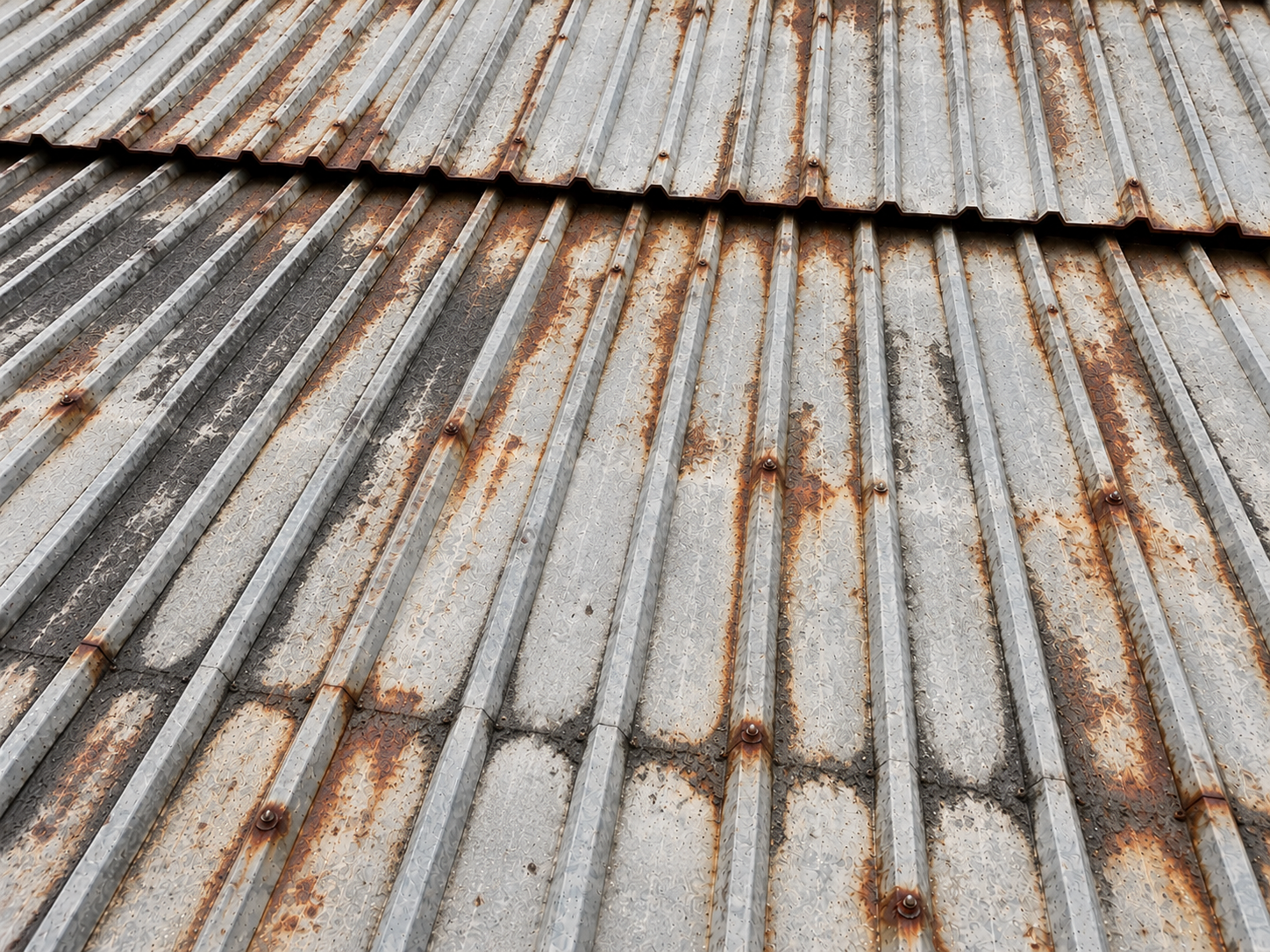
A drip from a metal roof joint rarely starts as a major failure. It often begins with a small separation at an overlap, a loosened fastener, or aged sealant that can no longer move with the roof. By the time water marks appear on a ceiling, the leak may have traveled along a purlin, insulation layer, or roof sheet. Effective metal roof joint leak repair means tracing that water path back to its entry point – not simply sealing the visible stain.
For homes, warehouses, factories, retail buildings, and covered car porches, a leaking metal roof can damage ceilings, electrical systems, stored goods, and structural components. The right repair depends on the roof profile, joint type, substrate condition, drainage pattern, and extent of deterioration. A quick patch may stop a drip temporarily, but a technically selected waterproofing system is what prevents repeat failures.
Why Metal Roof Joints Start Leaking
Metal roofing is designed to shed water, but its performance depends on every lap, screw line, flashing connection, and penetration remaining watertight. Joints are particularly vulnerable because they are movement zones. Heat causes metal sheets to expand, while cooler conditions cause them to contract. Over years of movement, sealant can crack, pull away from the sheet, or lose adhesion.
In humid, high-rainfall conditions, moisture can also sit at shallow laps or behind poorly formed flashings. If the roof pitch is too low for the sheet profile, water may move slowly enough to be drawn into a joint by wind pressure or capillary action. This is why a leak may occur only during heavy rain or when wind blows from a particular direction.
Common causes include deteriorated lap sealant, corroded roof sheets, incorrectly installed self-drilling screws, missing sealing washers, and loose ridge or sidewall flashing. Blocked gutters can force water backward under an eave joint. On older roofs, repeated patching can trap water and conceal corrosion underneath, making the actual defect larger than it appears from above.
Diagnose the Leak Before Choosing a Repair
A ceiling stain is evidence of water intrusion, not reliable proof of where water entered. Water can run several feet from the source before it becomes visible indoors. Repairing the nearest external joint without testing the surrounding roof area is one of the main reasons leaks return.
A professional inspection should assess the roof from both sides where access allows. Inside, the technician looks for wet insulation, rusted framing, water tracks, mold growth, and the direction of runoff. Outside, the inspection should cover sheet overlaps, screw lines, ridge caps, valleys, skylight curbs, wall flashings, penetrations, gutters, and areas where different roof materials meet.
Thermal imaging can help identify abnormal moisture patterns beneath roof finishes or insulation without unnecessary removal. It is a valuable diagnostic tool, but it must be interpreted with the roof construction, weather conditions, and physical inspection in mind. Thermal imaging does not replace hands-on testing. It helps pinpoint where further investigation is needed.
At ARCHTECH, diagnosis is the starting point because the repair system must match the cause. A failed screw washer calls for a different approach than a corroded side lap, failed ridge flashing, or a low-slope roof experiencing ponding water.
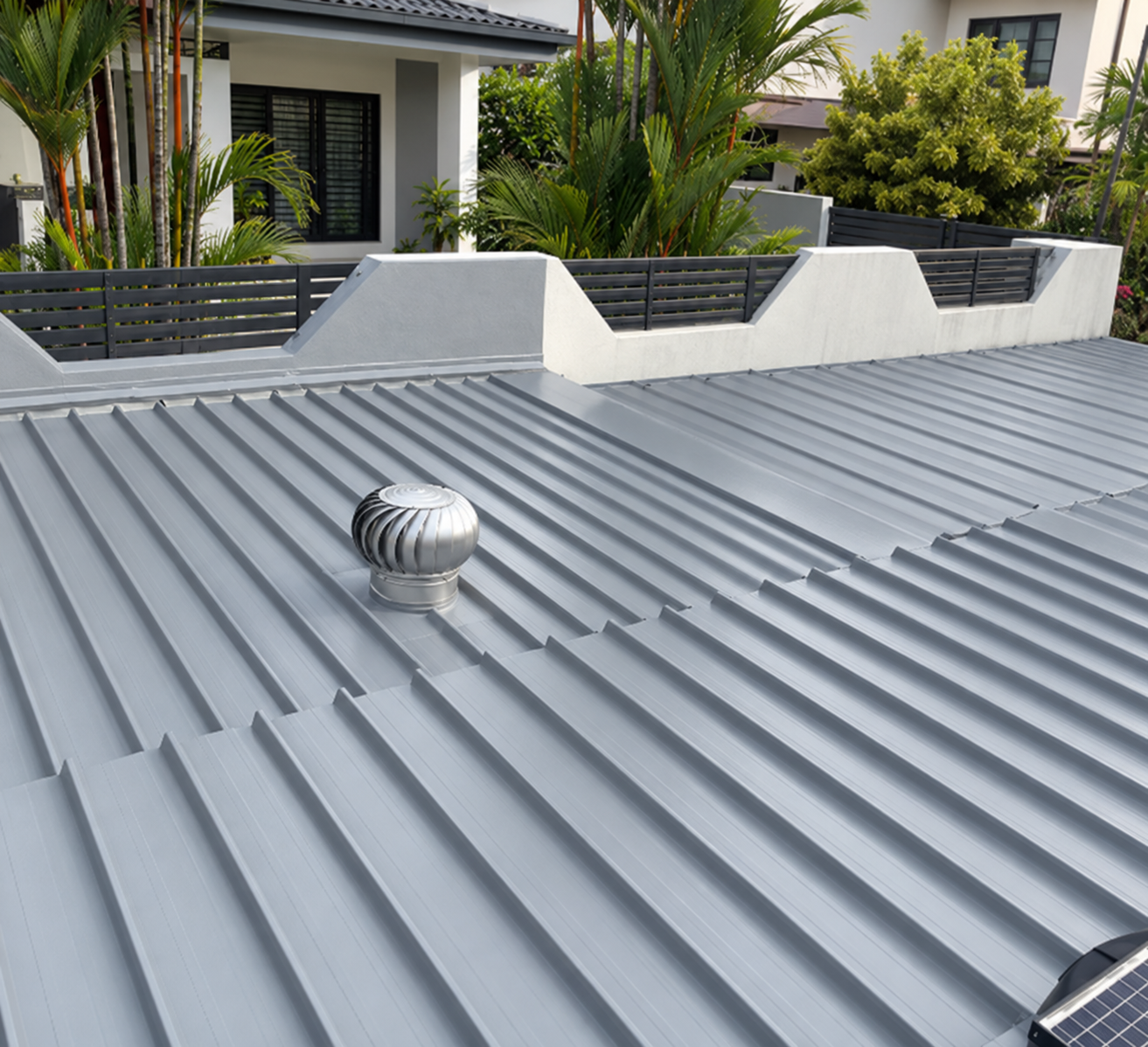
Metal Roof Joint Leak Repair Methods
There is no single product that suits every leaking joint. The correct method depends on whether the joint is stable, how much movement it experiences, and whether the surrounding metal remains structurally sound.
Resealing stable overlaps and flashing joints
Where the metal sheets are intact and the joint has only minor sealant failure, the repair may involve removing loose or degraded material, cleaning the substrate thoroughly, treating light corrosion where appropriate, and applying a compatible high-performance sealant. The joint must be dry and properly prepared. Applying new sealant over dust, oxidation, wet surfaces, or failed old sealant often leads to early adhesion loss.
For certain overlaps, butyl tape or a reinforced sealing system may be installed beneath or over the joint, depending on the roof assembly. These materials remain flexible and can accommodate normal thermal movement better than rigid filler alone. The detail matters: sealant needs adequate width, thickness, and contact with clean metal to perform as intended.
Replacing failed fasteners and sealing screw lines
A leaking roof joint may actually be a fastener issue. Screws can back out with vibration and thermal movement, while rubber washers can harden, split, or flatten over time. Water can then enter around the screw shaft and travel below the sheet.
The dependable repair is not always to add sealant over every screw. Loose, damaged, or corroded fasteners should be assessed individually and replaced with correctly sized roofing fasteners and suitable washers. If the surrounding screw holes have enlarged or the metal is badly corroded, a wider repair area or sheet replacement may be necessary. Simply overtightening a screw can deform its washer and create another leak path.
Reinforcing recurring seam failures
When joints have opened repeatedly, a localized sealant bead may not provide enough long-term protection. A liquid-applied waterproofing system with reinforcing fabric can create a flexible, continuous band over the seam. This approach is useful where roof movement is expected and where multiple minor defects exist along a lap or flashing transition.
Surface preparation remains critical. The coating must be compatible with the existing roof finish, and corrosion must be addressed before application. Coating over active rust without proper treatment can trap the problem beneath the new layer. A reinforced system also requires correct curing conditions and application thickness to achieve reliable performance.
Repairing corrosion and damaged roof sheets
If corrosion has perforated the metal, sealant alone is usually a short-term measure. The affected section may need to be cut out and replaced, or the roof sheet may require replacement along its full practical length. The final detail should restore proper overlaps, fastener placement, and drainage so water does not collect at the repair edge.
This is where low-cost patchwork can become expensive. Covering a rust hole without addressing water trapped at the joint may shift the leak to the next weak point. A durable repair considers the condition of adjoining sheets, supports, and flashing, not only the visible opening.
When a Local Repair Is Not Enough
A focused joint repair makes sense when the roof is generally sound and the leak source is isolated. It is usually the most efficient option for a recently damaged flashing, a small number of failed fasteners, or a specific overlap with deteriorated sealant.
A broader waterproofing treatment may be more appropriate when there are multiple leaking seams, widespread aging of sealant, recurring water entry after previous repairs, or extensive surface deterioration. The same applies to low-slope metal roofs where water lingers after rain. In these cases, treating one seam at a time can lead to a cycle of callouts and disruption.
For commercial and industrial properties, the decision should also account for operational risk. A small roof leak over a warehouse can damage inventory or interrupt production. A leak above a commercial kitchen can create hygiene and safety concerns. The repair scope should be based on the cost of failure, not only the size of the current drip.
About ARCHTECH Waterproofing Specialist
With over 10 years of expertise, ARCHTECH delivers precise, long-lasting waterproofing solutions for residential, commercial, industrial, and institutional buildings.
By combining accurate site assessment, certified professional-grade materials, and trained in-house specialists, ARCHTECH ensures durable waterproofing performance designed to stand the test of time.
Request a waterproofing assessment from ARCHTECH. ARCHTECH provides waterproofing solutions for balconies, flat roofs, slab roofs, metal roofs, bathrooms, car porches, external walls, concrete repair, wet kitchen and other areas in residential, commercial, and industrial properties.
Can’t Describe the Leak? Just Show Us.
Send a photo or video of your leak, and let our waterproofing specialist assess the situation so you don’t spend on wrong repairs.
Need Waterproofing Help?
Tell us what you’re facing, whether it’s a leak, damp smell, mould stain or bubbling paint. Our team will review your case and get back to you with a personalised solution and quotation.